
NACE26 Conference & Expo Recap
If your Early Talent strategy looks the same today as it did a year ago, it may be time for a closer look.
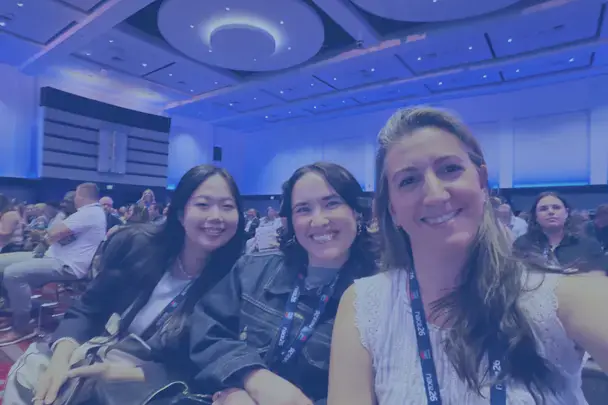
Candidate expectations are shifting, and employers are rethinking how they attract and engage talent. At the National Association of Colleges and Employers NACE26 conference in Denver, Atrium’s Early Talent experts spent the week connecting with talent leaders, university partners, and peers from across industries to discuss what’s changing in the world of Early Talent
Here are five trends that stood out and what they could mean for your Early Talent strategy.
1. Artificial Intelligence (AI) Is Reshaping Recruiting, But Human Connection Still Wins
AI was one of the biggest topics of conversation, with a focus on how to use AI responsibly while maintaining the human connections candidates still value.
While many students are still forming opinions about AI in recruiting, only 20% say it currently improves their experience and some remain hesitant. This feedback signals a clear opportunity to use AI more thoughtfully to enhance transparency, trust, and engagement.
The employers seeing the strongest results are using AI to handle administrative tasks such as scheduling interviews, screening resumes, drafting job descriptions, and preparing interview questions. That gives recruiters more time to focus on relationship-building and candidate experience.
That same focus on efficiency is influencing how businesses evaluate talent. As application volumes continue to grow, many employers are supplementing resumes with skills-based and behavioral assessments that provide a more complete picture of a candidate’s potential.
AI can help recruiting teams work smarter, but it cannot replace the trust, connection, and authenticity that candidates still expect from the hiring process.
2. Offer Acceptance Is Only the Beginning
Talent leaders across industries shared concerns about candidates accepting offers only to withdraw before their start date. In an uncertain job market, many students feel pressure to accept opportunities quickly while continuing to explore other options.
As a result, organizations are putting just as much thought into the period between offer acceptance and day one as they do the recruiting process itself.
In order to minimize fall-off during pre-boarding, treat the time between offer acceptance and day one as an extension of the candidate experience. This includes:
- Consistent communication throughout the pre-start experience
- Access to recruiters, managers, and future teammates
- Office hours and Q&A opportunities
- Centralized resources that answer common questions and provide key information
Every interaction should reinforce why the candidate chose to work for you in the first place and help answer a simple question: What’s in it for me?
3. Candidate Engagement Has Become a Retention Strategy
For many employers, retention starts long before an employee’s first annual review.
Talent leaders shared that the first year of employment is often the deciding factor in whether an early career employee stays with a company long term. The primary drivers of early turnover are not compensation or perks, but rather a lack of confidence, insufficient support, and weak connections to company culture.
Consider creating more intentional onboarding and development experiences that help employees feel supported from day one. Common strategies include:
- Structured mentorship programs that help new hires build relationships and navigate the workplace
- Regular feedback and coaching conversations that provide guidance, clarity, and opportunities for growth
- Development programs that expose employees to new skills, experiences, and career pathways
- AI literacy and workplace technology training that helps employees build confidence with the tools shaping today’s workplace
For Gen Z employees, regular coaching and clear guidance matter more than ever. When expectations are clear and support is readily available, they’re more likely to stay and grow with your business.
4. Data Is Becoming a Competitive Advantage
More employers are using data to better understand what’s working, where improvements can be made, and how Early Talent programs contribute to broader business goals. Rather than focusing solely on hiring activity, they are measuring outcomes that matter to leadership.
Common metrics include:
- Intern-to-full-time conversion rates that help measure program effectiveness
- Recruiting ROI and cost per hire to evaluate the return on Early Talent investments
- Offer acceptance rates that provide insight into candidate interest and engagement
Many employers are also using data to identify which schools consistently produce top performers and to better anticipate future workforce needs.
It’s also important to remember that campus recruiting is a long-term investment. A student who engages with your brand today may not become a candidate for months or even years, but those early interactions can influence future hiring outcomes.
The ability to measure that impact is becoming increasingly important as Early Talent teams work to demonstrate business value and secure ongoing investment.
5. Employee Voices Are Influencing Candidate Decisions
Today’s candidates want an authentic look at what it’s actually like to work for an organization. Increasingly, they trust employees and interns to tell that story more than traditional corporate messaging.
As a result, many employers are investing in intern and employee ambassador programs that give candidates a firsthand view of company culture and career growth opportunities. Whether shared through social media, campus events, or recruiting activities, these personal stories often create stronger engagement than polished employer branding content.
The strongest ambassador programs give employees enough direction to represent the organization well while still allowing their personalities and experiences to shine through. That balance helps maintain consistency without sacrificing authenticity.
In a competitive hiring market, some of the most credible voices candidates hear are the employees already working for your team. Giving them opportunities to share their experiences can strengthen trust long before a candidate submits an application.
Creating an Early Talent Program That Delivers Long-Term Results
At Atrium, we help companies design and manage Early Talent programs that support recruiting, onboarding, engagement, development, and long-term workforce planning. Whether you’re building a new internship program, expanding campus recruiting efforts, implementing candidate assessments, or looking to improve intern-to-hire conversion rates, our team brings the expertise and operational support needed to create lasting impact.
Looking for more insights? Download our Complete Step-by-Step Guide to Building a Successful Early Talent Program, a comprehensive resource designed to help companies create scalable programs that attract top talent, improve retention, and support future workforce needs.